Which Trading Style Wins for Most People in 2026 and Why
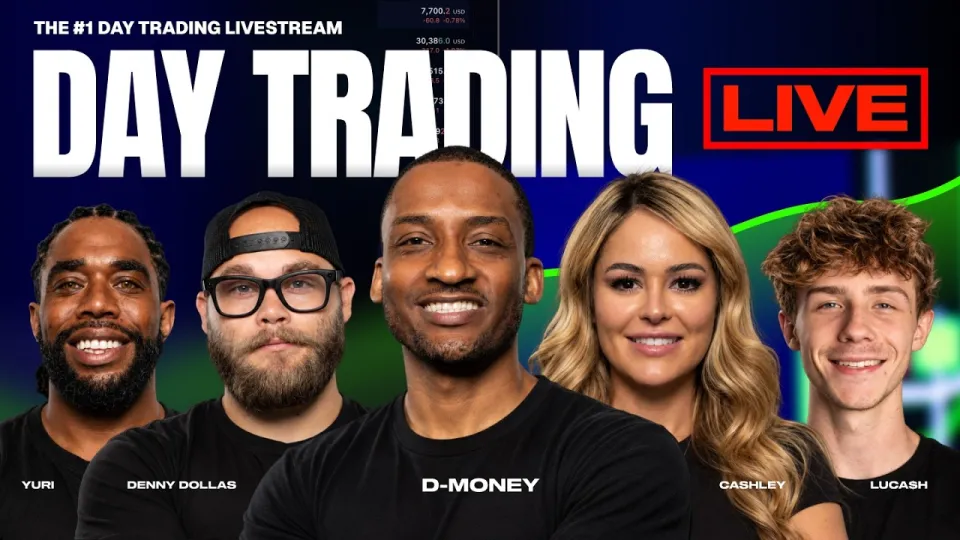
Video: LIVE DayTrading! #1 Watched Futures Trading Show!
Want articles like this for your own video to promote it on YouTube and Google? Order them through the Telegram bot @sat_sit_bot. It writes articles around your video, embeds the video and publishes them on popular niche websites (no ads). Try it free: 50 articles on us.
· based on the channel Patrick Wieland
Key takeaways
- Futures day trading gives direct market access but requires strict risk control and screen time.
- Prop firm evaluations like Topstep, Apex Trader Funding, and TakeProfitTrader offer funded accounts for a fee.
- Copy trading removes decision-making but adds platform and trader-selection risk.
- Patrick Wieland's BDH live stream features a four-person crew trading futures daily.
- A $99 two-hour course is the cheapest way to learn the exact strategy shown on stream.
For most people, the best trading style in 2026 is a rules-based futures day trading approach executed through a prop firm evaluation, because it caps upfront cost, forces risk discipline, and gives access to size without a large personal account. Copy trading and passive investing suit those who cannot commit daily screen time. The deciding factor is not the market but how much time, capital, and emotional bandwidth you can honestly dedicate.
What trading actually means when you trade futures
Trading futures means buying or selling a contract tied to an index, commodity, or currency for delivery at a future date, and day trading means closing that position before the session ends. Unlike stocks, futures are leveraged by design: a single E-mini S&P 500 contract controls a notional value many times the margin required, so a small price move produces a large percentage gain or loss on your deposit. That leverage is the reason futures day trading attracts prop firm traders and also the reason most beginners blow up. Micro contracts such as MES and MNQ reduce the damage while you learn. The core skills are identical across instruments: reading market structure, sizing positions to a fixed risk per trade, and executing a written plan without improvising.
Why prop firm challenges dominate the futures day trading conversation
A prop firm challenge lets you trade the firm's capital after paying an evaluation fee and hitting a profit target without breaching a drawdown limit. The model exploded because it solves the biggest barrier for retail traders: you do not need $25,000 or $50,000 of your own money to trade a meaningful size. You pay a few hundred dollars, pass a test, and receive a funded account with a profit split. The trade-offs are real. Rules on daily loss, trailing drawdown, and consistency are strict, and a single oversized trade can end an evaluation. Firms differ sharply in how those rules are written, which is why comparison sites and referral-heavy rankings exist. The ranking published with the BDH stream lists Lucid Trading first, TakeProfitTrader second, Apex Trader Funding third, followed by Tradeify, Legends Trading, BluSky Trading, TradeDay, and MyFundedFutures. Treat any ranking as a starting point, not a verdict: check the drawdown type, payout schedule, and whether news trading is allowed before you pay.
What a live futures trading show adds that a course does not
Watching a live futures trading stream shows you the unglamorous parts of the job: waiting, skipping setups, and cutting a loser quickly. Patrick Wieland runs the BDH Day Trading Floor from South Florida and California and streams every trading day, with a crew that includes Damareous Young, Lucas Kennard, and Denny Jones. The format mixes real-time execution, market analysis, prop firm reviews, and giveaways, and the channel promotes itself as home of the top futures day trader on YouTube. The value for a viewer is not a signal to copy blindly but a benchmark for process: how a trader talks through a level, where the stop goes, and how the session is managed after a win. If you want the underlying method rather than the live commentary, the same operation sells a two-hour course for $99, which is a low-cost way to see whether the style fits before committing to a funded account.
How to choose your trading style in five steps
- Count your available hours. If you can watch the open for two to three hours on most weekdays, futures day trading is viable. If your schedule is unpredictable, intraday execution will cost you money.
- Define your risk capital. Money you cannot lose should never fund an evaluation. Budget the fee as a sunk cost, not an investment.
- Pick one instrument and one setup. Concentrating on a single micro contract and a single pattern beats juggling five markets.
- Write the rules before you trade. Entry trigger, stop distance, daily loss limit, and maximum trades per session, all in writing.
- Measure 50 trades before judging. A small sample tells you nothing about whether an edge exists.
Common questions from traders watching live futures streams
Viewers of live futures shows tend to ask the same things, and the honest answers matter more than the hype. The most frequent question is which setup is being traded, which usually reflects a wish to copy a specific pattern without understanding the context around it. A setup is only half the system; position sizing and exit management determine the result. The second recurring question is where to buy the exact strategy shown on stream. Paid courses exist precisely for that demand, and a $99 two-hour program is cheap by industry standards, but no course replaces screen time. The third theme is prop firm selection: traders want to know which firm pays reliably and which rules are traps. The answer changes as firms update terms, so verify current drawdown and payout policies on the firm's own site. The fourth is copy trading, where a follower mirrors another trader's orders automatically. It removes execution stress but concentrates risk in one person's decisions, and you still need to understand what happens during a losing streak.
The risks nobody puts in the thumbnail
Leverage cuts both ways, and futures day trading can wipe an account in a single session. Prop firm rules add a second layer of risk: a technically profitable trade can still breach a trailing drawdown and void the account. Copy trading shifts the risk rather than removing it, because you inherit someone else's sizing and drawdown tolerance. Affiliate links and referral codes are everywhere in this niche, including in stream descriptions, which means rankings and reviews deserve scrutiny. Nothing here is financial advice, past performance does not predict future results, and every account purchase or trade is your own decision.
Conclusion
Most people are better served by a disciplined, rules-based futures day trading approach run through a prop firm evaluation than by chasing signals or copying trades they do not understand. The model keeps upfront cost low, forces risk limits, and lets you build a track record before scaling. Patrick Wieland, the trader behind the BDH live stream, presents one version of that path through daily sessions, prop firm reviews, and a low-cost strategy course, and the stream is a useful place to study process rather than to hunt entries. Choose the style that matches your available time and tolerance for loss, then commit to one instrument and one plan for at least fifty trades. Consistency in execution, not the choice of market, is what separates traders who last from those who restart evaluations every month.
Source: LIVE DayTrading! #1 Watched Futures Trading Show! · Markdown version
Questions & answers
Is futures day trading better than copy trading for a beginner?
For a beginner with two to three free hours per weekday, futures day trading through a prop firm is usually the better path because you learn sizing and risk control directly. Copy trading requires less time but concentrates your outcome in another trader's decisions, and you still absorb their losing streaks. If your schedule is unpredictable, copy trading or a slower timeframe is more realistic.
Do I need a large account to start trading futures?
No. Micro contracts such as MES and MNQ require far less margin than full-size contracts, and prop firm evaluations let you trade the firm's capital after paying a fee. The trade-off is strict drawdown and consistency rules that can end an account quickly. Start with the smallest size that lets you follow your plan exactly.
How do I pick a prop firm without getting burned?
Compare the drawdown type, payout schedule, news trading policy, and consistency rules on the firm's own website rather than relying on a single ranking. Rankings and reviews in this niche often contain affiliate links, including the ones published with the BDH stream. Test one evaluation at a time and treat the fee as money you can afford to lose.
Is a $99 trading course worth it compared to free YouTube content?
A structured two-hour course can be worth it if it condenses a specific method you have already seen executed live, because free content is scattered and rarely sequenced. The BDH stream sells exactly that kind of course alongside daily live sessions. No course replaces screen time, so budget practice hours regardless of what you pay.